
















.jpg?w=218&resize=218,150&ssl=1 "UNESCO Zollverein Coal Mine Industrial Complex & Other Things to do in Essen, Germany | My Travelogue")











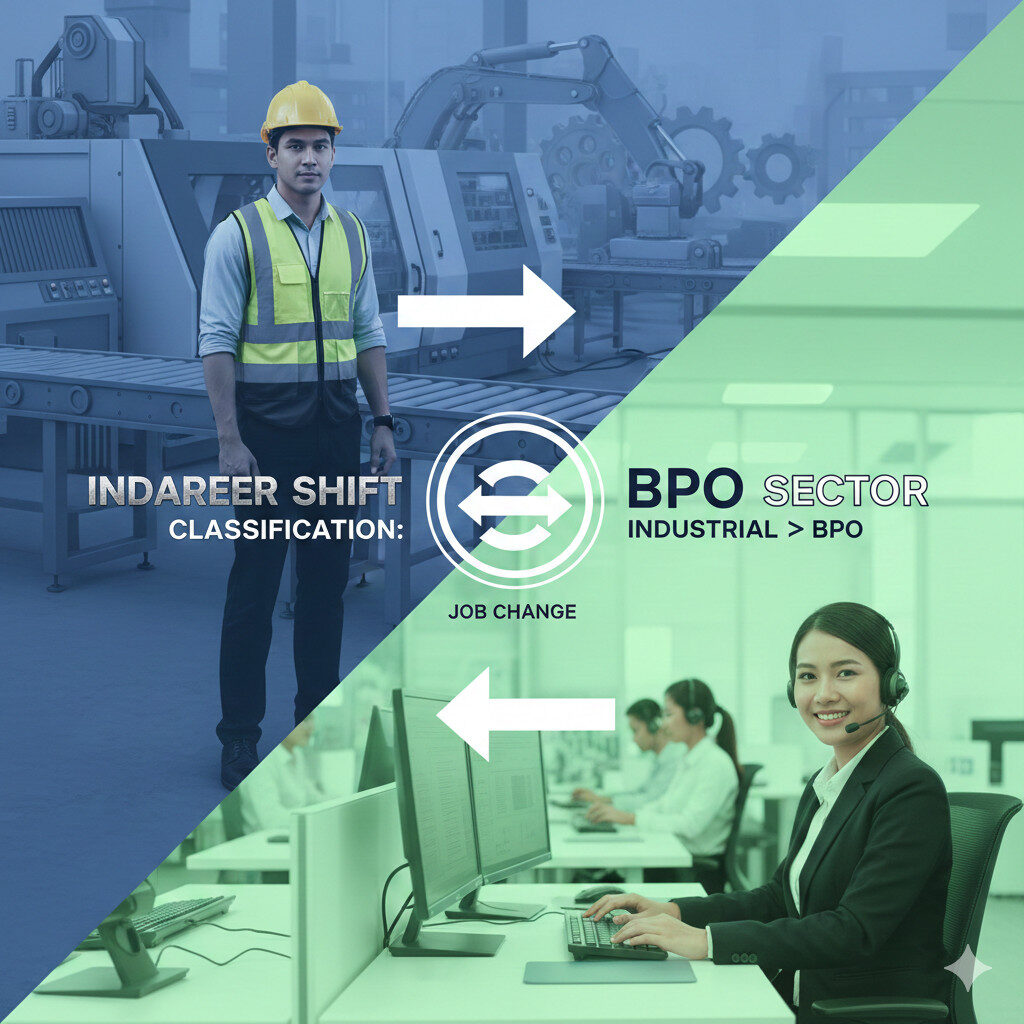
In the industrial sector—comprising manufacturing, energy, and construction—work is often defined by the physicality of the environment and the tangibility of the output.
Job Responsibilities
- Operational Execution: Responsibilities often involve operating machinery, managing assembly lines, or overseeing quality control for physical goods.
- Safety Compliance: A primary responsibility is strict adherence to Occupational Safety and Health (OSH) standards. In this sector, a mistake isn’t just a “bug” in the code; it can be a physical hazard.
- Technical Troubleshooting: Maintenance of hardware, understanding blueprints, and managing physical logistics.
Lifestyle
- Fixed Shifts & Physical Exhaustion: Work usually follows a “General Shift” (daylight) or rotating factory shifts. The fatigue is physical, often leading to a lifestyle that prioritizes rest and recovery of the body.
- Environmental Exposure: Working in plants often involves noise, heat, or outdoor elements, leading to a “rugged” lifestyle.
- Local Commutes: Industrial hubs are often on the outskirts of cities, leading to long commutes or living in industrial townships.
2. The BPO Sector: Connectivity and Cognitive Speed
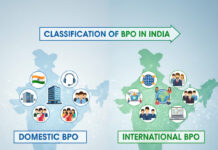
The BPO sector is a service-driven industry where the “product” is information, communication, and problem-solving.
Job Responsibilities
- Client Interaction: Whether voice-based (calling) or non-voice (email/chat), the core responsibility is managing the customer experience (CX).
- Process Adherence: Following Standard Operating Procedures (SOPs) to resolve tickets, process data, or manage technical support.
- Performance Metrics: Success is measured by Average Handle Time (AHT), Customer Satisfaction (CSAT), and First Call Resolution (FCR).
Lifestyle
- Circadian Disruption: Many BPOs serve international clients (US/UK/Australia), necessitating night shifts or “graveyard” schedules. This drastically alters sleep patterns, social life, and diet.
- Mental Fatigue: The stress is psychological rather than physical. Constantly “being on” and managing frustrated customers leads to emotional labor exhaustion.
- Urban/Tech Environment: Modern offices with air conditioning, cafeterias, and recreational zones. The lifestyle is sedentary but fast-paced.
3. The Industrial to BPO Transition: The “Soft-Skill” Evolution
If a person previously working in the Industrial Sector joins the BPO Sector, their progress and transformation typically look like this:
The Progress Curve
- Phase 1 (The Culture Shock): The individual may initially feel “restless” in a seated, air-conditioned environment. They might struggle with the transition from physical tasks to digital multitasking.
- Phase 2 (The Technical Edge): Because industrial workers are trained in strict SOPs and safety protocols, they often excel at the discipline required in BPOs. If they join a technical BPO (supporting industrial products or software), their background knowledge becomes a massive asset.
- Phase 3 (Communication Grooming): Their primary growth will be in “Soft Skills.” They move from technical jargon to customer-centric empathy.
Mentality Shift
- From “Fixed” to “Fluid”: In industry, a machine either works or it doesn’t. In BPO, “solving” a customer’s mood is as important as solving their problem.
- Progress Measurement: They will see their progress through promotions into Quality Analysis (QA) or Training, where their disciplined industrial mindset helps them enforce standards for others.
4. The BPO to Industrial Transition: The “Reality” Check
When a BPO professional moves to the Industrial Sector, the changes are stark and often challenging.
Key Changes and Challenges
- Physical Conditioning: The person must adapt to being on their feet for 8–12 hours. The sedentary habits of BPO (snacking, sitting) are replaced by active movement.
- Safety Consciousness: In a BPO, the worst-case scenario is a dropped call. In industry, the worst-case is an accident. The individual must develop a heightened sense of spatial awareness and risk assessment.
- Tangible Results: A BPO worker might feel a sense of “vacuum” because their work disappears into the cloud. In industry, they see a finished product (a car, a circuit board, a chemical batch). This often leads to higher job satisfaction and a sense of “real” contribution.
Professional Adjustment
The BPO veteran brings Data Literacy to the factory floor. With the rise of “Industry 4.0,” factories need people who can read dashboards, analyze efficiency data, and communicate across departments—skills a BPO worker has in abundance.
Comparative Summary Table
| Feature | Industrial Sector | BPO Sector |
| Core Value | Production & Precision | Service & Speed |
| Fatigue Type | Physical (Muscle/Stamina) | Cognitive (Mental/Emotional) |
| Environment | Shop floor / Site | Office / Cubicle / Remote |
| Growth Path | Technical Expertise – Management | Process Excellence \Leadership |
| Social Impact | Often follows local norms/holidays | Often follows global (client) calendar |
Conclusion:
While the BPO sector offers faster initial salary growth and “glamorous” office perks, the industrial sector often provides better long-term stability and a more natural biological rhythm.