



















.jpg?w=218&resize=218,150&ssl=1 "UNESCO Zollverein Coal Mine Industrial Complex & Other Things to do in Essen, Germany | My Travelogue")












Kalahandi, a historically significant district in the southwestern part of Odisha, is an integral part of the state’s rich cultural and geographical tapestry. Understanding its administrative divisions is crucial for governance, development, and for anyone seeking detailed information about the region. This article provides a comprehensive overview of the administrative structure of Kalahandi district, including its subdivisions, blocks, and a general understanding of its village composition.
Understanding Administrative Hierarchy
The administrative structure in India, and consequently in Odisha’s districts like Kalahandi, follows a hierarchical pattern to ensure effective governance at various levels. The primary units relevant to this discussion are:
- District: The overarching administrative unit, headed by a District Collector or District Magistrate, responsible for the overall administration, law and order, and development activities within the district. Kalahandi is one such district in Odisha.
- Subdivision: A district is often divided into smaller administrative units called subdivisions, each headed by a Sub-Divisional Officer (SDO) or Sub-Divisional Magistrate (SDM). The SDO assists the District Collector in managing the administration and development within their respective jurisdictions.
- Block (Tahsil): Subdivisions are further divided into blocks, also known as Tahsils in some states. A Block Development Officer (BDO) or Tahsildar is in charge of a block, overseeing the implementation of government schemes and administrative functions at the grassroots level. Blocks serve as crucial links between the district administration and the villages.
- Village: The smallest administrative unit, typically comprising a cluster of houses and agricultural land. Each village usually has an elected head or traditional leaders who play a role in local governance and community affairs.
Administrative Divisions of Kalahandi District
Kalahandi district is administratively divided into two subdivisions:
- Bhawanipatna Subdivision: This is the main subdivision and includes a significant portion of the district’s population and administrative offices.
- Dharmagarh Subdivision: Located in the western part of the district, this subdivision comprises several blocks and villages.
These subdivisions facilitate better administrative control and development focus within the larger district.
Blocks (Tahsils) in Kalahandi District
Each subdivision in Kalahandi district is further divided into several blocks or tahsils. These blocks are the primary units for implementing developmental programs and administrative functions at the local level. The list of blocks under each subdivision is as follows:
1. Bhawanipatna Subdivision:
- Bhawanipatna Block: The central block, encompassing the district headquarters town of Bhawanipatna. It is a significant administrative and commercial hub.
- Kesinga Block: Located to the north of Bhawanipatna, Kesinga is known for its agricultural activities and local markets.
- Lanjigarh Block: Situated in the eastern part of the subdivision, Lanjigarh is notable for its industrial presence, particularly in the mining sector, and its tribal population.
- Karlamunda Block: Located towards the south, Karlamunda is primarily an agricultural block with a rural setting.
- Madanpur Rampur Block: Situated in the northeastern part of the subdivision, this block is characterized by its hilly terrain and tribal communities.
- Narala Block: Located northwest of Bhawanipatna, Narala is an agriculturally dependent block with several villages.
- Thuramunda Block: A relatively smaller block within the subdivision, Thuramunda has a mixed rural and agricultural landscape.
2. Dharmagarh Subdivision:
- Dharmagarh Block: The central block of the subdivision, with Dharmagarh town serving as its administrative center. It is an important commercial and agricultural area.
- Junagarh Block: Located to the east of Dharmagarh, Junagarh is historically significant and has a substantial rural population engaged in agriculture.
- Koksara Block: Situated in the western part of the subdivision, bordering Chhattisgarh, Koksara is characterized by its tribal culture and rural economy.
- Golamunda Block: Located to the north of Dharmagarh, Golamunda is known for its agricultural lands and rural communities.
- Jaipatna Block: Situated in the southern part of the subdivision, Jaipatna is a significant agricultural area with a notable presence of tribal populations.
It’s important to note that the exact number and names of blocks can sometimes be subject to minor administrative changes over time due to governmental reorganizations. However, the list provided above generally reflects the current administrative structure.
Village List of Kalahandi District: A General Overview
Providing an exhaustive list of all the villages in Kalahandi district within this article is impractical due to the sheer number of villages and the potential for frequent updates in census data and administrative boundaries. However, it’s important to understand the distribution of villages within each block.
Each of the blocks mentioned above comprises numerous villages, ranging in size and population. These villages are the fundamental units where most of the population resides and where grassroots-level administration and development take place.
To access a detailed and up-to-date list of villages under each block, one would typically refer to official government records, such as the Census of India data, the Odisha state government’s revenue department records, or the specific administrative offices at the district and block levels. These sources provide comprehensive information on the number of villages, their population demographics, and other relevant details.
Significance of Administrative Divisions
The administrative division of Kalahandi district into subdivisions and blocks plays a crucial role in:
- Effective Governance: Decentralizing administrative responsibilities and bringing governance closer to the people.
- Development Planning and Implementation: Facilitating targeted planning and implementation of development schemes based on the specific needs of different areas.
- Revenue Administration: Streamlining the collection of revenue and land management.
- Law and Order Maintenance: Ensuring better policing and maintenance of peace and security within smaller, manageable units.
- Disaster Management: Enabling quicker and more efficient response during natural calamities or other emergencies.
- Electoral Processes: Organizing and conducting elections at various levels.
Conclusion
Kalahandi district in Odisha is administratively structured into two subdivisions: Bhawanipatna and Dharmagarh. These subdivisions are further divided into a total of eleven blocks: Bhawanipatna, Kesinga, Lanjigarh, Karlamunda, Madanpur Rampur, Narala, Thuramunda (under Bhawanipatna Subdivision), and Dharmagarh, Junagarh, Koksara, Golamunda, Jaipatna (under Dharmagarh Subdivision). Each of these blocks encompasses numerous villages that form the basic units of administration and community life. Understanding this administrative framework is essential for comprehending the governance and developmental landscape of Kalahandi district. For precise and up-to-date information on the village list and any recent administrative changes, referring to official government sources is always recommended.
Disclaimer
The information provided in this article regarding the administrative divisions, subdivisions, blocks, and village structure of Kalahandi district, Odisha, is based on general knowledge and publicly available information as of the last update. While every effort has been made to ensure the accuracy and reliability of the content, administrative boundaries, the number of villages, and their names can be subject to changes due to governmental decisions and reorganizations. Therefore, this article should not be considered a definitive legal or official record. For precise and up-to-date details, readers are advised to consult official government websites, publications of the Census of India, the Revenue and Disaster Management Department of the Government of Odisha, and the administrative offices of Kalahandi district. The author and publisher disclaim any liability for inaccuracies or omissions and are not responsible for any decisions or actions taken based on the information provided in this article. This article is intended for informational purposes only.


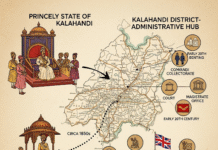






, and the importance of these divisions for governance and development.)