



















.jpg?w=218&resize=218,150&ssl=1 "UNESCO Zollverein Coal Mine Industrial Complex & Other Things to do in Essen, Germany | My Travelogue")











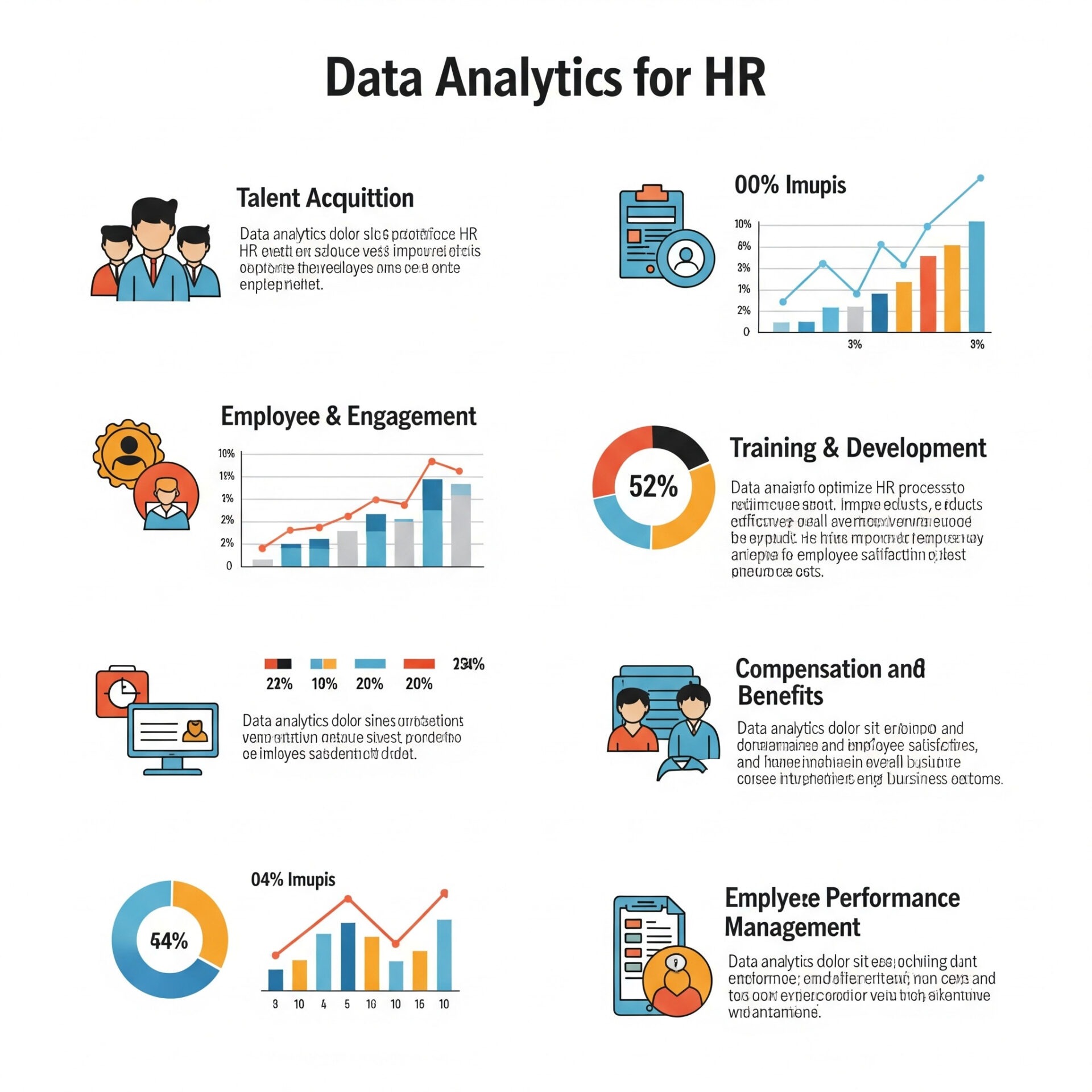
Knowledge Analytics for HR in India: Remodeling Workforce Administration
Introduction
Within the quickly evolving Indian enterprise panorama, human assets (HR) departments are more and more transferring past conventional administrative roles to change into strategic companions. This shift is essentially pushed by the arrival of information analytics, which provides unprecedented insights into workforce dynamics, expertise administration, and organizational effectiveness. Knowledge analytics in HR, usually termed HR analytics or individuals analytics, entails gathering, analyzing, and decoding HR-related knowledge to make knowledgeable, data-driven selections. For India, a rustic with an unlimited and various workforce, distinctive cultural nuances, and a burgeoning digital financial system, the appliance of HR analytics presents each immense alternatives and distinct challenges. This doc explores the vital position of information analytics in remodeling HR features throughout the Indian context, analyzing its advantages, key purposes, implementation methods, challenges, and future outlook.
The Strategic Crucial of HR Analytics in India
The Indian workforce is characterised by its sheer scale, demographic variety, and a big presence of younger professionals. Corporations in India face challenges equivalent to excessive attrition charges in sure sectors, talent gaps, the necessity for efficient expertise acquisition and retention, and fostering an inclusive work atmosphere. Conventional HR practices, usually reliant on instinct and anecdotal proof, are proving inadequate to handle these advanced points. HR analytics gives the required instruments to maneuver from reactive problem-solving to proactive, predictive, and prescriptive HR methods. By leveraging knowledge, HR can establish patterns, predict future developments, and suggest actions that immediately impression enterprise outcomes, thus elevating its position from an operational value middle to a strategic worth creator.
Key Functions of HR Analytics within the Indian Context
HR analytics could be utilized throughout varied HR features, providing particular advantages tailor-made to the Indian market.
1. Expertise Acquisition and Recruitment Optimization
India’s aggressive job market necessitates environment friendly recruitment processes. HR analytics can optimize this by:
- Supply Effectiveness: Analyzing knowledge from varied recruitment channels (job portals, referrals, social media) to establish the simplest sources for high quality hires and scale back cost-per-hire.
- Predictive Hiring: Utilizing historic knowledge to foretell which candidates are more than likely to reach particular roles, lowering mis-hires and enhancing onboarding success.
- Candidate Expertise: Gathering suggestions and analyzing touchpoints within the recruitment course of to boost the candidate expertise, essential for attracting prime expertise in a aggressive market.
2. Workforce Planning and Optimization
Strategic workforce planning is important for managing India’s giant and various expertise pool. Analytics aids in:
- Demand Forecasting: Predicting future expertise wants based mostly on enterprise progress projections, market developments, and attrition charges.
- Talent Hole Evaluation: Figuring out present and future talent deficits throughout the group and planning for upskilling, reskilling, or exterior hiring.
- Useful resource Allocation: Optimizing the deployment of workers throughout tasks and departments to maximise productiveness and reduce idle time.
3. Efficiency Administration and Productiveness Enhancement
Transferring past annual critiques, HR analytics allows steady efficiency enchancment:
- Figuring out Excessive Performers: Pinpointing key traits and behaviors of prime performers to duplicate success throughout the group.
- Efficiency Drivers: Analyzing correlations between varied elements (coaching, group dynamics, workload) and worker efficiency to establish true drivers of productiveness.
- Suggestions Loop Optimization: Analyzing suggestions knowledge to make sure efficiency administration methods are truthful, efficient, and contribute to worker progress.
4. Worker Engagement and Expertise
With a younger and dynamic workforce, worker engagement is paramount for retention. Analytics helps by:
- Engagement Drivers: Figuring out elements that considerably impression worker engagement (e.g., work-life stability, profession growth alternatives, management type).
- Sentiment Evaluation: Utilizing pure language processing (NLP) on worker surveys, suggestions, and inner communications to gauge sentiment and establish areas of concern.
- Personalised Interventions: Tailoring engagement initiatives based mostly on particular worker segments or particular person wants recognized by way of knowledge.
5. Attrition Prediction and Retention Methods
Excessive attrition is a persistent problem in lots of Indian industries. HR analytics provides highly effective options:
- Predictive Fashions: Constructing fashions to establish workers susceptible to leaving, based mostly on elements like tenure, efficiency, compensation, and managerial relationships.
- Root Trigger Evaluation: Delving into the explanations behind voluntary turnover, distinguishing between controllable and uncontrollable elements.
- Focused Interventions: Growing proactive retention methods, equivalent to customized profession growth plans, mentorship applications, or compensation changes, for at-risk workers.
6. Compensation and Advantages Optimization
Making certain aggressive and truthful compensation is essential for attraction and retention. Analytics assists in:
- Market Benchmarking: Evaluating inner compensation constructions with exterior market knowledge to make sure competitiveness.
- Pay Fairness Evaluation: Figuring out and addressing pay disparities based mostly on gender, tenure, or different demographic elements to make sure equity and compliance.
- Advantages Utilization: Analyzing the utilization and perceived worth of varied worker advantages to optimize choices and maximize ROI.
7. Studying and Growth (L&D) Effectiveness
Measuring the impression of coaching applications is important for maximizing ROI on L&D investments. Analytics can:
- Coaching Wants Identification: Pinpointing particular talent gaps that may be addressed by way of focused coaching.
- Program Effectiveness: Measuring the impression of L&D initiatives on worker efficiency, productiveness, and profession development.
- Personalised Studying Paths: Recommending related coaching modules to particular person workers based mostly on their roles, efficiency knowledge, and profession aspirations.
8. Range, Fairness, and Inclusion (DEI)
Selling DEI isn’t just an ethical crucial but in addition a enterprise benefit. HR analytics helps DEI initiatives by:
- Range Audits: Analyzing demographic knowledge to establish illustration gaps throughout varied organizational ranges and features.
- Inclusion Metrics: Measuring the sense of belonging and equity amongst completely different worker teams by way of surveys and suggestions evaluation.
- Bias Detection: Figuring out potential biases in recruitment, promotion, or efficiency appraisal processes by way of knowledge evaluation.
Implementation Technique for HR Analytics in India
Implementing HR analytics efficiently in India requires a structured method, contemplating the distinctive native context.
1. Outline Clear Targets and KPIs
Begin with a transparent understanding of what enterprise issues HR analytics goals to resolve. Outline particular, measurable, achievable, related, and time-bound (SMART) Key Efficiency Indicators (KPIs) that align with organizational objectives. For instance, as a substitute of “enhance retention,” goal for “scale back attrition by 10% within the IT division inside 12 months.”
2. Knowledge Assortment and Integration
That is the foundational step. HR knowledge usually resides in disparate methods (HRIS, payroll, ATS, efficiency administration methods).
- Knowledge Sources: Establish all related inner and exterior knowledge sources.
- Knowledge High quality: Guarantee knowledge accuracy, completeness, and consistency. This may increasingly contain knowledge cleaning and validation.
- Knowledge Integration: Implement sturdy methods or platforms to combine knowledge from varied sources right into a centralized repository (e.g., a knowledge warehouse or knowledge lake).
3. Know-how and Instruments
The correct know-how stack is essential. Choices vary from easy spreadsheet instruments to stylish HR analytics platforms.
- HRIS with Analytics Capabilities: Many fashionable HRIS (e.g., SAP SuccessFactors, Oracle HCM, Workday) provide built-in analytics modules.
- Enterprise Intelligence (BI) Instruments: Instruments like Tableau, Energy BI, or Qlik Sense can visualize HR knowledge successfully.
- Statistical Software program/Programming Languages: For superior analytics, statistical software program (e.g., R, Python) can be utilized.
- Cloud-based Options: Given the scalability wants, cloud-based HR analytics options are more and more common in India.
4. Constructing Capabilities and Expertise
A profitable HR analytics initiative requires a talented group.
- Knowledge Scientists/Analysts: Recruit or upskill HR professionals with knowledge evaluation abilities.
- Area Specialists: Guarantee HR professionals perceive the enterprise context and might interpret knowledge insights successfully.
- Coaching: Present coaching to HR groups on knowledge literacy, analytical instruments, and data-driven decision-making.
5. Knowledge Governance and Ethics
Given the delicate nature of HR knowledge, sturdy knowledge governance and moral concerns are paramount, particularly with India’s evolving knowledge privateness rules.
- Privateness and Safety: Implement strict protocols for knowledge privateness and safety, adhering to rules just like the Digital Private Knowledge Safety Act, 2023.
- Anonymization/Pseudonymization: Anonymize or pseudonymize knowledge the place applicable to guard particular person privateness.
- Bias Mitigation: Concentrate on potential biases in knowledge and algorithms and take steps to mitigate them to make sure truthful and equitable outcomes.
- Transparency: Be clear with workers about how their knowledge is getting used.
6. Tradition of Knowledge-Pushed Resolution Making
Essentially the most refined instruments are ineffective and not using a tradition that values knowledge.
- Management Purchase-in: Safe robust help from senior management.
- Communication: Clearly talk the advantages of HR analytics to all stakeholders.
- Pilot Tasks: Begin with small, impactful pilot tasks to show worth and construct momentum.
- Steady Enchancment: Deal with HR analytics as an ongoing technique of studying, refinement, and adaptation.
Challenges in Implementing HR Analytics in India
Regardless of the immense potential, a number of challenges hinder the widespread adoption and efficient implementation of HR analytics in India.
1. Knowledge Availability and High quality
- Fragmented Knowledge: Knowledge usually resides in silos throughout completely different HR methods, making integration troublesome.
- Guide Processes: Many organizations nonetheless depend on guide knowledge entry, resulting in errors and inconsistencies.
- Lack of Standardization: Inconsistent knowledge definitions and codecs throughout departments or enterprise models.
2. Talent Hole
- Lack of Analytical Expertise: A scarcity of HR professionals with robust analytical, statistical, and knowledge science abilities.
- Resistance to Change: HR professionals accustomed to conventional strategies might resist adopting data-driven approaches.
3. Management Purchase-in and Funding
- Perceived Price: Preliminary funding in know-how and coaching could be excessive, resulting in reluctance from management.
- Lack of Understanding: Senior administration might not absolutely grasp the strategic worth and ROI of HR analytics.
4. Knowledge Privateness and Safety Issues
- Evolving Laws: Navigating India’s new and evolving knowledge safety legal guidelines requires cautious consideration.
- Worker Belief: Constructing and sustaining worker belief concerning knowledge utilization is essential.
5. Cultural Nuances
- Hierarchy and Instinct: Resolution-making in some Indian organizations continues to be closely influenced by hierarchy and instinct slightly than knowledge.
- Worry of Surveillance: Workers may understand knowledge assortment as surveillance slightly than a instrument for enchancment.
6. Measuring ROI
- Quantifying Intangibles: It may be difficult to quantify the ROI of HR initiatives, particularly these associated to engagement or tradition.
- Lengthy-term Affect: The complete impression of some HR analytics initiatives might solely be seen in the long run.
The Way forward for HR Analytics in India
The way forward for HR analytics in India is promising, pushed by growing digital adoption, a rising emphasis on expertise administration, and the supply of superior applied sciences.
1. AI and Machine Studying Integration
- Superior Predictive Fashions: AI/ML will improve predictive capabilities for attrition, efficiency, and hiring success.
- Personalised HR Interventions: AI can allow extremely customized worker experiences, from studying suggestions to profession pathing.
- Automated Insights: AI-powered platforms will automate the technology of insights, making analytics extra accessible to HR generalists.
2. Prescriptive Analytics
Transferring past “what occurred” (descriptive) and “what is going to occur” (predictive), prescriptive analytics will deal with “what ought to we do.” This entails recommending particular actions to realize desired outcomes.
3. Moral AI and Accountable Analytics
As AI/ML turns into extra prevalent, the deal with moral AI, equity, transparency, and accountability in HR analytics will intensify, particularly within the context of India’s various inhabitants.
4. Concentrate on Worker Expertise (EX)
HR analytics will more and more be used to know and optimize the complete worker journey, from recruitment to exit, specializing in making a constructive and productive expertise.
5. Actual-time Analytics
The flexibility to research knowledge in real-time will allow extra agile and responsive HR interventions, essential for dynamic Indian companies.
6. Integration with Enterprise Technique
HR analytics will change into much more deeply built-in with total enterprise technique, immediately informing selections associated to market enlargement, product growth, and organizational restructuring.
Conclusion
Knowledge analytics is now not a luxurious however a strategic crucial for HR in India. By embracing data-driven decision-making, Indian organizations can unlock vital worth, optimize their workforce, improve worker expertise, and acquire a aggressive edge in a dynamic world market. Whereas challenges exist, a transparent technique, funding in know-how and expertise, and a dedication to knowledge governance and moral practices will pave the way in which for a transformative future for HR in India. The journey entails transferring from knowledge assortment to insightful evaluation and finally to actionable methods that empower the human capital, driving sustainable progress and innovation.
Incessantly Requested Questions (FAQs)
- What’s HR Analytics? HR analytics, also referred to as individuals analytics, is the method of gathering, analyzing, and decoding HR knowledge to realize insights into workforce dynamics, enhance HR decision-making, and improve enterprise outcomes.
- Why is HR Analytics essential for Indian companies? It helps Indian companies tackle challenges like excessive attrition, talent gaps, expertise acquisition, and workforce variety, enabling data-driven selections that enhance productiveness, engagement, and retention in a aggressive market.
- What sort of knowledge is utilized in HR Analytics? HR analytics makes use of knowledge from varied sources together with HRIS (Human Assets Info Techniques), payroll, applicant monitoring methods (ATS), efficiency administration methods, worker surveys, exit interviews, and even exterior market knowledge.
- How does HR Analytics assist in expertise acquisition in India? It helps by figuring out the simplest recruitment channels, predicting candidate success, optimizing the hiring course of, and enhancing the candidate expertise, main to higher high quality hires and diminished time-to-hire.
- Can HR Analytics predict worker attrition in India? Sure, by constructing predictive fashions based mostly on historic knowledge (e.g., tenure, efficiency, compensation, supervisor suggestions), HR analytics can establish workers susceptible to leaving and allow proactive retention methods.
- What are the principle challenges in implementing HR Analytics in India? Challenges embrace fragmented and poor knowledge high quality, lack of analytical abilities inside HR groups, resistance to vary, securing management buy-in and funding, and navigating evolving knowledge privateness rules.
- Is knowledge privateness a significant concern for HR Analytics in India? Completely. With the Digital Private Knowledge Safety Act, 2023, organizations should guarantee strict compliance, anonymize delicate knowledge, and preserve transparency with workers about knowledge utilization.
- How can HR Analytics enhance worker engagement in Indian firms? It helps establish key drivers of engagement, analyzes worker sentiment by way of surveys, and allows customized interventions and applications to boost the general worker expertise.
- What position does AI and Machine Studying play in HR Analytics in India? AI and ML can improve predictive fashions, automate insights technology, allow extremely customized HR interventions (e.g., studying paths), and enhance the effectivity of varied HR processes.
- What’s the distinction between descriptive, predictive, and prescriptive HR Analytics?
- Descriptive: “What occurred?” (e.g., present attrition charge).
- Predictive: “What is going to occur?” (e.g., who’s prone to go away subsequent quarter).
- Prescriptive: “What ought to we do?” (e.g., particular actions to retain at-risk workers).
- Do Indian firms want devoted HR knowledge scientists? Whereas not at all times crucial for preliminary phases, for superior analytics and constructing refined fashions, devoted HR knowledge scientists or analysts with robust statistical and programming abilities are extremely useful.
- How can small and medium-sized enterprises (SMEs) in India undertake HR Analytics? SMEs can begin small by specializing in particular issues, leveraging present HRIS knowledge, utilizing reasonably priced BI instruments, and steadily constructing knowledge literacy inside their HR groups.
- What are some frequent KPIs measured in HR Analytics in India? Frequent KPIs embrace attrition charge, time-to-hire, cost-per-hire, worker engagement scores, coaching effectiveness, variety metrics, common tenure, and efficiency rankings.
- How does HR Analytics contribute to Range, Fairness, and Inclusion (DEI) in India? It helps by auditing variety illustration, measuring inclusion metrics, figuring out biases in HR processes (recruitment, promotion), and monitoring the effectiveness of DEI initiatives.
- What know-how instruments are generally used for HR Analytics? Frequent instruments embrace HRIS platforms with analytics modules (e.g., SAP SuccessFactors), Enterprise Intelligence (BI) instruments (e.g., Tableau, Energy BI), and programming languages like R or Python for superior evaluation.
- How can HR professionals in India develop HR Analytics abilities? They’ll pursue on-line programs, certifications in knowledge analytics, workshops, and acquire sensible expertise by engaged on small knowledge tasks inside their organizations.
- What’s the significance of information high quality in HR Analytics? Excessive knowledge high quality (accuracy, completeness, consistency) is essential as a result of analytics depends on dependable knowledge. Poor knowledge high quality results in flawed insights and ineffective selections.
- How can HR Analytics assist in workforce planning for Indian organizations? It aids in forecasting future expertise demand, figuring out talent gaps, optimizing useful resource allocation, and guaranteeing the appropriate expertise is on the market on the proper time to satisfy enterprise targets.
- What’s the typical ROI for investing in HR Analytics? ROI could be seen by way of diminished attrition prices, improved recruitment effectivity, elevated worker productiveness, higher expertise retention, and simpler L&D investments, although quantifying it may be difficult for some points.
- What’s the future outlook for HR Analytics in India? The long run is shiny, with growing integration of AI/ML, a shift in direction of prescriptive analytics, better deal with worker expertise, real-time knowledge processing, and deeper alignment with total enterprise technique.
Disclaimer: This data is for common steerage solely and doesn’t represent authorized recommendation. For particular conditions, it’s important to seek the advice of with a certified authorized skilled specializing in labor regulation. The legal guidelines are topic to vary, and essentially the most present laws ought to at all times be referenced.