

















.jpg?w=218&resize=218,150&ssl=1 "UNESCO Zollverein Coal Mine Industrial Complex & Other Things to do in Essen, Germany | My Travelogue")










In the landscape of the modern service economy, Domestic Business Process Outsourcing (BPO) serves as a critical bridge between a brand and its local consumers. Unlike international BPOs, which often navigate cross-cultural barriers and time-zone differences, domestic BPOs operate within the same country, leveraging shared language nuances, cultural context, and legal frameworks to deliver high-touch service.
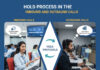
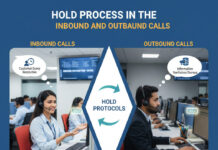
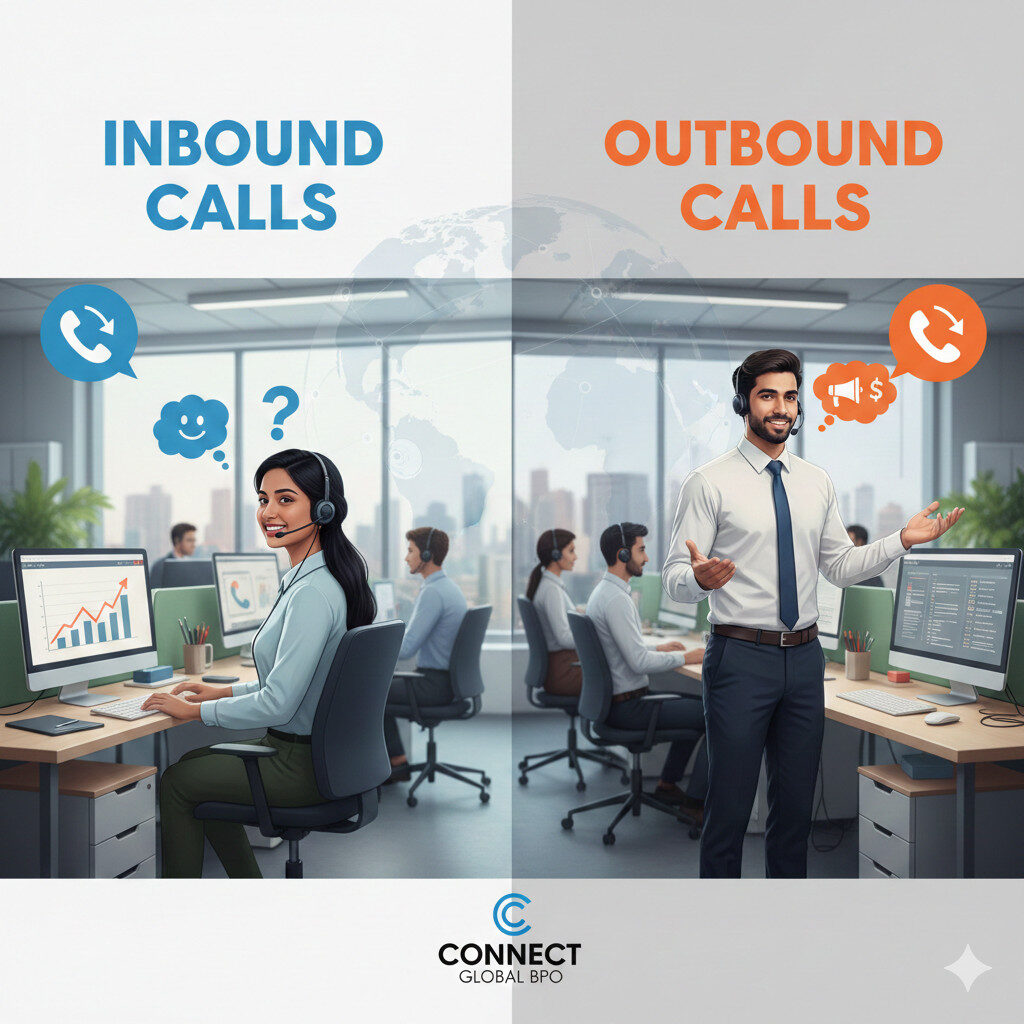
The heartbeat of this industry lies in two distinct but interdependent operational workflows: Inbound and Outbound calls. Understanding these processes requires looking beyond the simple direction of the call; it involves analyzing the psychology of the customer, the technology of the dialer, and the strategic goals of the business.
1. The Inbound Call Process: The Art of Reactive Service
Inbound calls are initiated by the customer. In a domestic BPO, these are often the primary touchpoint for service delivery. Because the customer is the one “reaching out,” the power dynamic is unique: the customer has a specific need, and the agent’s role is to provide a frictionless solution.
Core Types of Inbound Processes
- Customer Support & Help Desk: This is the most common form of inbound call. Customers call to inquire about product features, check their account balance, or report a service outage. In a domestic context, the agent’s ability to use local idioms and understand regional service issues (like a local power outage or a specific regional holiday) is a significant advantage.
- Technical Support: These calls involve troubleshooting hardware or software issues. They are often categorized into “Levels” (L1 for basic password resets, L2 for complex configuration).
- Inbound Sales (Order Taking): Often triggered by TV advertisements or social media campaigns, these callers are already “warm leads.” They call with the intent to buy, and the agent’s job is to close the sale and potentially “upsell” (suggesting a higher-end product) or “cross-sell” (suggesting a related accessory).
- Grievance Redressal: These are high-stakes calls where customers are often frustrated. The domestic BPO agent must use high levels of empathy and de-escalation techniques to prevent “churn” (the customer leaving the brand).
Key Performance Indicators (KPIs) for Inbound
For an inbound process, success is measured by efficiency and satisfaction:
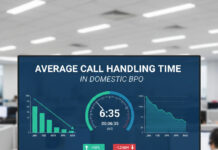
- Average Handle Time (AHT): The total duration of the call, including hold time and after-call work.
- First Call Resolution (FCR): The percentage of issues resolved in the first interaction without the customer needing to call back. This is the “Gold Standard” of inbound BPO.
- CSAT (Customer Satisfaction Score): Direct feedback from the customer regarding their experience.
- Occupancy Rate: The percentage of time an agent spends on live calls versus waiting for a call to arrive.
2. The Outbound Call Process: The Science of Proactive Outreach
Outbound calls are initiated by the BPO agent on behalf of the client. Unlike inbound calls, where the customer is looking for you, in outbound calling, you are looking for the customer. This requires a shift in mindset from “problem-solver” to “persuader.”
Core Types of Outbound Processes
- Telemarketing & Cold Calling: Agents call potential leads who may have no prior relationship with the brand. This is a high-volume, high-rejection environment that requires resilience.
- Lead Generation: The goal here isn’t necessarily a sale, but to “warm up” a prospect. The agent qualifies the lead by confirming interest and then schedules a follow-up for a senior sales executive.
- Collections (Debt Recovery): A specialized domestic process where agents call customers who have overdue payments (e.g., credit card bills or loan EMIs). This requires strict adherence to local financial regulations and “Fair Practice Codes.”
- Market Research & Surveys: Brands use outbound calls to gather data on consumer behavior or to conduct “Net Promoter Score” (NPS) surveys following a recent purchase.
The Technology of Outbound: Dialers
Outbound BPOs rely heavily on automated dialing systems to maximize productivity:
- Predictive Dialer: The system uses algorithms to predict when an agent will be free and dials numbers in advance. If a human answers, the call is instantly routed; if it’s an answering machine, the system drops it.
- Power Dialer: Dials one number after another for an active agent. It ensures the agent is always on a call but is less aggressive than a predictive dialer.
- Preview Dialer: Allows the agent to see the customer’s history before the call is placed, which is essential for complex sales or high-end collections.
3. Structural Differences: Inbound vs. Outbound
| Feature | Inbound | Outbound BPO |
| Initiator | The Customer | The BPO Agent |
| Nature | Reactive (Responding to needs) | Proactive (Creating needs/reminders) |
| Agent Skillset | Empathy, Patience, Technical Knowledge | Persuasion, Resilience, Negotiation |
| Primary Goal | Problem Resolution & Retention | Revenue Generation & Data Collection |
| Scripting | Flexible “Flowcharts” | Rigid “Sales Scripts” |
| Typical Stressor | High call volume & Angry customers | High rejection rates & Targets |
4. The Intellectual Challenge: Assumptions vs. Reality
As your intellectual partner, I must challenge a common assumption: “Inbound is ‘easy’ service and Outbound is ‘hard’ sales.” This is a binary that often fails in the domestic BPO sector.
- The “Service-to-Sales” Evolution: Many domestic inbound processes are now “Blended.” An agent answering a support call is often mandated to pitch a product at the end of the call. This blurs the line, requiring an agent to be both an empathetic healer and a shark-like salesperson in the same six-minute window.
- The Logic of Choice: Why choose Domestic BPO over Offshore? While offshore is cheaper, domestic BPOs offer “Cultural Synchronicity.” A domestic agent understands the nuances of a local accent or a regional frustration (e.g., “The monsoon is delaying my delivery”) that an offshore agent might logically understand but not feel. This “felt” connection is what drives modern Brand Loyalty.
5. Challenges in the Domestic Sector
Domestic BPOs face unique hurdles compared to their international counterparts:
- Lower Margins: The “Per-Seat” or “Per-Minute” rate in domestic BPO is significantly lower than in international (US/UK) processes. This leads to higher pressure on agents to maintain “Talk Time” efficiency.
- Attrition: Because the barriers to entry are low and the stress is high, domestic BPOs often see 50%–100% annual staff turnover.
- Automation & AI: Basic inbound queries (e.g., “Where is my order?”) are rapidly being replaced by AI Chatbots. This means human agents are increasingly left with only the most complex, emotionally charged, or difficult calls—increasing the mental “load” of the job.
Summary
The domestic BPO landscape is a sophisticated machine where Inbound serves as the shield (protecting the brand’s reputation and customer base) and Outbound serves as the sword (cutting into new markets and recovering lost revenue). Success in this industry is no longer about just “answering the phone”; it is about managing data, mastering psychology, and navigating the fine line between being a helpful assistant and a persistent salesperson.