


















.jpg?w=218&resize=218,150&ssl=1 "UNESCO Zollverein Coal Mine Industrial Complex & Other Things to do in Essen, Germany | My Travelogue")












Kalahandi District, nestled in the western part of Odisha, India, is a land shrouded in mystery, steeped in history, and blessed with an untouched natural splendor that beckons the intrepid traveler and the curious historian alike. Often overshadowed by some of Odisha’s more prominent tourist circuits, Kalahandi holds a unique charm, offering a deeply enriching experience to those who venture into its heart. This expansive district, whose name literally translates to “pot of arts” (Kala meaning art, Handi meaning pot), has been a melting pot of cultures, empires, and artistic expressions for millennia, leaving behind a fascinating tapestry of historical sites, archaeological marvels, and serene natural attractions.
From the ancient rock shelters bearing prehistoric art to the remnants of powerful kingdoms, from the tranquil beauty of its waterfalls and forests to the spiritual solace offered by its temples, Kalahandi presents a multifaceted appeal. It is a district that whispers tales of forgotten eras, showcases the resilience of human civilization, and celebrates the raw, untamed beauty of Mother Earth. This comprehensive guide aims to illuminate the historical sites and places of attraction that make Kalahandi a truly remarkable destination, inviting you to embark on a journey of discovery.
A Glimpse into Kalahandi’s Storied Past: A Historical Overview
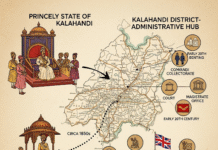
The history of Kalahandi is as ancient as it is complex. Archaeological evidence suggests human habitation dating back to the Stone Age, with numerous rock shelters and prehistoric tool findings scattered across the region. The district has been a crucial political and cultural hub for various dynasties, including the Satavahanas, Guptas, Somavamsis, Chindaka Nagas, and the Marathas, before coming under British rule. Each successive empire left its indelible mark, contributing to the rich architectural and cultural heritage that we witness today.
The region was historically known as South Kosal and was a significant center for trade and learning. Its strategic location at the crossroads of various ancient routes made it a coveted territory, leading to a vibrant exchange of ideas, religions, and artistic styles. The amalgamation of different cultural influences – Hindu, Buddhist, and Jain – is particularly evident in its temple architecture and sculptural art. The rise and fall of these empires are etched in the ruins of forts, the intricate carvings of temples, and the artifacts unearthed from its soil, making Kalahandi a living museum for history enthusiasts.
I. Historical Sites: Echoes of Empires and Ancient Civilizations
Kalahandi’s historical sites are not mere ruins; they are portals to a bygone era, offering insights into the lives, beliefs, and artistic prowess of ancient civilizations.
1. Asurgarh Fort:
One of the most significant archaeological sites in Kalahandi, Asurgarh, located near Narla, is believed to be one of the earliest fortified settlements in Odisha, dating back to the 4th-3rd century BCE. Excavations at Asurgarh have revealed a meticulously planned city with a massive fort wall, gateways, residential structures, and an efficient drainage system. Artifacts like pottery, iron implements, beads, and coins belonging to the pre-Mauryan to late ancient periods have been unearthed, indicating a thriving urban center.
The fort’s strategic location, surrounded by a moat and natural defenses, speaks volumes about its importance as a regional power center. Legends connect Asurgarh with the Asuras, mythological beings, adding a mystical aura to its historical significance. For archaeologists and historians, Asurgarh is a treasure trove, continually revealing new information about early urbanism and state formation in Odisha. Visitors can explore the remnants of its fortifications and imagine the bustling city that once stood there, witnessing the ebb and flow of ancient life.
2. Gudahandi Hills & Rock Shelters:
Situated near the village of Gudahandi, these hills are a prime example of prehistoric human activity in Kalahandi. The rock shelters here contain fascinating pictographs and rock paintings that are believed to date back to the Upper Paleolithic and Mesolithic periods. These ancient artworks depict animals, human figures, and geometric patterns, offering invaluable insights into the artistic expressions, hunting practices, and daily lives of early humans.
The Gudahandi rock shelters are not only historically significant but also provide a captivating experience for visitors. Exploring these natural shelters, one can’t help but feel a profound connection to our ancient ancestors. The serene surroundings and the intricate artwork make it a unique destination for those interested in archaeology and anthropology. It’s a testament to Kalahandi’s deep historical roots, showcasing humanity’s earliest attempts at self-expression.
3. Ampani (Ambapani) Sanctuary and Temple:
While primarily known for its wildlife sanctuary, Ampani also holds historical and religious significance. The ancient temple dedicated to Manikeswari, the presiding deity of Kalahandi, at Ampani, reflects the traditional architectural styles prevalent in the region. The temple is a focal point for local devotees and provides a glimpse into the religious practices and beliefs that have sustained the community for centuries.
The blend of natural beauty and spiritual heritage makes Ampani a compelling stop. Visitors can explore the temple, soak in the tranquil atmosphere, and then proceed to the nearby sanctuary to experience the rich biodiversity of the region. It highlights how spirituality and nature have been intertwined in the lives of the people of Kalahandi.
4. Belkhandi Archaeological Site:
Located at the confluence of the Tel and the Uttei rivers, Belkhandi is another important archaeological site that has yielded significant findings. Excavations have uncovered the ruins of an ancient temple complex, including a large number of sculptures, epigraphs, and architectural fragments. These findings indicate the presence of a flourishing religious and artistic center, possibly dating back to the early medieval period.
The sculptures at Belkhandi often depict deities from various Hindu pantheons, as well as intricate decorative motifs, showcasing the high level of craftsmanship of the artisans of that era. The site is a testament to the rich sculptural tradition of Odisha and provides valuable clues about the religious syncretism and architectural styles prevalent in ancient Kalahandi. For those with an interest in art history and ancient Indian architecture, Belkhandi offers a fascinating journey through time.
5. Mohangiri:
Mohangiri is an ancient site known for its historical ruins and archaeological significance. While less extensively excavated than Asurgarh or Belkhandi, it holds remnants of ancient structures and pottery fragments, suggesting its importance in the region’s historical landscape. The site is often associated with ancient trade routes and settlements, making it an interesting area for further exploration for history enthusiasts. Its rural setting adds to its untouched charm, allowing visitors to imagine the unhurried pace of life in ancient times.
6. Thuamul Rampur (Ramampur):
Historically significant for its connection to various tribal cultures and local chieftains, Thuamul Rampur offers insights into the administrative and social structures of the region’s past. While not boasting grand temple ruins, its historical importance lies in its role as a regional center and its cultural heritage, particularly its association with the indigenous communities of Kalahandi. The area is also known for its natural beauty, which often intertwines with its historical narrative, as natural resources were crucial for the sustenance and development of past civilizations.
II. Places of Attraction: Nature’s Bounty and Spiritual Sanctuaries
Beyond its rich historical tapestry, Kalahandi enthralls visitors with its stunning natural landscapes and revered spiritual sites, offering a diverse range of experiences.
1. Phurlijharan Waterfall:
Perhaps the most famous natural attraction in Kalahandi, Phurlijharan Waterfall is a picturesque cascade that plunges from a height of approximately 30 feet, creating a mesmerizing spectacle. Surrounded by lush green forests and a serene environment, it’s an ideal spot for picnics, nature photography, and a refreshing escape from the hustle and bustle of city life. The gentle roar of the water, the cool mist, and the vibrant flora make it a sensory delight.
The waterfall is particularly beautiful during and after the monsoon season when it is in full flow. The accessibility of the site, combined with its natural charm, makes Phurlijharan a must-visit for anyone exploring Kalahandi. It’s a perfect place to unwind, connect with nature, and simply enjoy the tranquility of the surroundings.
2. Karlapat Wildlife Sanctuary:
A haven for wildlife enthusiasts and nature lovers, Karlapat Wildlife Sanctuary is a biodiverse ecosystem sprawling over a significant area. Home to a variety of flora and fauna, the sanctuary is particularly known for its resident population of elephants, leopards, sambar, barking deer, and a plethora of bird species. The dense deciduous forests, interspersed with streams and small waterfalls, create an ideal habitat for these creatures.
The sanctuary offers opportunities for wildlife spotting, trekking, and birdwatching. The tranquil environment provides a unique opportunity to immerse oneself in the wilderness. The forest rest houses offer a chance to stay amidst nature, making it an unforgettable experience for those seeking an adventurous encounter with the wild. Karlapat is a testament to Kalahandi’s commitment to preserving its natural heritage and offers a vital ecological balance to the region.
3. Rabandhara (Patalganga):
Rabandhara, also known as Patalganga, is a fascinating natural spring and a revered pilgrimage site. The name Patalganga (Ganga of the underworld) suggests a mystical origin, believed to have a subterranean connection to the sacred river Ganga. The crystal-clear waters of the spring emerge from within a cave, creating a small pool that is considered sacred by devotees.
The site is surrounded by dense forests and offers a serene and spiritual atmosphere. Visitors can take a dip in the holy waters, explore the natural cave, and enjoy the tranquil beauty of the surroundings. Rabandhara is a perfect blend of natural wonder and spiritual significance, attracting both pilgrims and tourists seeking peace and natural beauty.
4. Budharaja Temple (Bhawanipatna):
Located in Bhawanipatna, the district headquarters of Kalahandi, the Budharaja Temple is a prominent religious site dedicated to Lord Shiva. The temple is a significant pilgrimage center for local devotees and stands as a symbol of the region’s deep-rooted spiritual beliefs. While the temple may not boast ancient ruins, its continuous worship and architectural style reflect the living traditions of Kalahandi.
The temple complex is usually bustling with devotees, especially during festivals like Shivaratri. Visiting Budharaja Temple offers a glimpse into the vibrant religious life of the local community and provides a serene space for contemplation and prayer. Its presence in the heart of the district headquarters underscores the importance of spirituality in the daily lives of the people.
5. Manikeswari Temple (Bhawanipatna):
The Manikeswari Temple in Bhawanipatna is arguably the most important religious site in Kalahandi. Dedicated to Goddess Manikeswari, the presiding deity (Ishta Devi) of the former Kalahandi princely state, this temple holds immense cultural and historical significance. The goddess is highly revered by the local populace, and the temple is the epicenter of the famous “Chhatar Yatra” (umbrella procession) festival, held annually during the Dussehra period.
The temple’s architecture showcases traditional Odishan temple styles, albeit on a smaller scale compared to the grand temples of Puri or Bhubaneswar. The vibrant energy during festivals, the intricate rituals, and the deep devotion of the devotees make a visit to Manikeswari Temple a truly immersive cultural experience. It represents the spiritual heart of Kalahandi, embodying its ancient traditions and fervent faith.
6. Dokarichanchara Waterfalls:
Another stunning natural attraction, Dokarichanchara Waterfalls, offers a captivating view of water cascading down rocky terrain amidst a verdant landscape. While perhaps less known than Phurlijharan, it provides an equally enchanting experience for those willing to explore off the beaten path. The tranquil atmosphere and the raw beauty of the falls make it an ideal spot for nature lovers and photographers. It’s a perfect destination for those seeking solitude and a deeper connection with the untouched natural world of Kalahandi.
7. Keshkuni:
Keshkuni is a village in Kalahandi known for its ancient Shiva Temple. The temple, though relatively modest in scale, is an important local religious center and features traditional architectural elements. It serves as a testament to the pervasive worship of Lord Shiva across the region and offers a peaceful setting for spiritual reflection. The site’s rural charm allows visitors to experience the simpler, traditional life of Kalahandi.
8. Junagarh Fort:
Junagarh, historically known as “Jennagarth,” was once the capital of the princely state of Kalahandi before it was shifted to Bhawanipatna. The ruins of the old fort at Junagarh, though not as well-preserved as some other historical sites, still evoke a sense of its past grandeur. The site provides valuable insights into the administrative and military architecture of the former kingdom.
Exploring the remnants of the fort allows one to imagine the strategic importance of Junagarh and its role in the region’s political landscape. It’s a place where history enthusiasts can piece together the narrative of the erstwhile kingdom and appreciate the efforts to protect its boundaries.
9. Bhawanipatna:
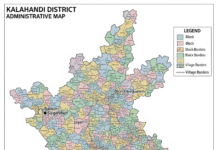
As the district headquarters, Bhawanipatna itself is a significant place of interest. It serves as the gateway to many of Kalahandi’s attractions and offers a blend of historical, cultural, and modern experiences. Besides the Budharaja and Manikeswari Temples, the town also features local markets, showcasing traditional crafts and local produce, and provides a base for exploring the wider district. The lively atmosphere of the town, especially during festivals, provides a glimpse into the contemporary life of Kalahandi’s people.
Experiencing Kalahandi: Beyond the Sites
Visiting Kalahandi is not just about ticking off historical sites and natural attractions; it’s about immersing oneself in the local culture, understanding the struggles and resilience of its people, and appreciating its unique identity.
Local Cuisine: Don’t miss the opportunity to savor the local Odishan cuisine. From traditional rice and dal dishes to local delicacies prepared with fresh, seasonal ingredients, the food offers a true taste of the region.
Tribal Culture: Kalahandi is home to a significant tribal population, each with its unique customs, traditions, and art forms. Engaging with local communities (respectfully and with guidance) can offer profound insights into their rich cultural heritage, music, and dance.
Festivals: If your visit coincides with local festivals like Chhatar Yatra, Nuakhai (harvest festival), or Dussehra, you will witness the vibrant cultural traditions of Kalahandi come alive with immense fervor and joy.
Travel Tips for Exploring Kalahandi
- Best Time to Visit: The winter months (October to March) are ideal for visiting Kalahandi, as the weather is pleasant for sightseeing and outdoor activities.
- Accommodation: Bhawanipatna offers a range of accommodation options, from budget-friendly hotels to guesthouses. It’s advisable to book in advance, especially during peak season or festivals.
- Transportation: The district is well-connected by road. Buses and private taxis are available for local transportation. For exploring remote sites, hiring a private vehicle is recommended. The nearest railway station is Kesinga, and the nearest airport is Raipur (Chhattisgarh) or Bhubaneswar (Odisha).
- Local Guides: For a deeper understanding of the historical sites, especially archaeological ones, hiring a local guide can be invaluable.
- Respect Local Culture: Kalahandi has a rich tribal heritage. It’s important to be respectful of local customs, traditions, and beliefs, especially when visiting religious sites or interacting with indigenous communities.
- Environmental Responsibility: When visiting natural attractions like waterfalls and sanctuaries, ensure you practice responsible tourism by not littering and respecting the natural environment.
Conclusion: Kalahandi – A Tapestry of Time and Tranquility
Kalahandi District is a destination that promises a journey far beyond the ordinary. It’s a place where ancient stones whisper tales of empires, where lush forests guard hidden waterfalls, and where vibrant traditions continue to thrive. Its historical sites offer a fascinating glimpse into the evolution of human civilization, while its natural attractions provide solace and rejuvenation amidst breathtaking landscapes.
While it may not boast the grand, world-renowned monuments of some other regions, Kalahandi offers an authentic and deeply rewarding experience for those who seek to delve into the heart of Odisha’s rich heritage. It is a district waiting to be explored, a hidden gem ready to reveal its treasures to the discerning traveler. So, pack your bags, open your mind to the wonders of history and nature, and embark on an unforgettable adventure to the captivating land of Kalahandi.
Disclaimer:
This article provides general information about historical sites and places of attraction in Kalahandi District, Odisha, based on publicly available knowledge and common understanding. While efforts have been made to ensure accuracy and comprehensive coverage, the information presented here is for general guidance and informational purposes only.
- Accuracy: Historical facts, dates, and archaeological interpretations are subject to ongoing research and may be revised. Natural phenomena, such as waterfall flows or wildlife sightings, are subject to seasonal variations and environmental conditions.
- Accessibility: The accessibility and current condition of some sites may vary due to local infrastructure, weather, or ongoing conservation efforts. It is advisable to check local conditions and official sources before planning your visit.
- Safety: Visitors are encouraged to exercise caution and follow all local guidelines and safety instructions, especially when exploring natural areas or remote historical sites.
- Authority: This article is not an official tourism guide. For the most up-to-date information, travel advisories, and booking details, please refer to official tourism websites of Odisha Tourism, local government bodies, and reputable travel agencies.
- Changes: Information regarding opening hours, entry fees, and facilities may change without prior notice.
- Personal Responsibility: The author and publisher of this article assume no responsibility for any loss, injury, or inconvenience incurred by any person using this information. Travel planning and execution are the sole responsibility of the individual traveler.
Copyright: All content, including text and generated images, is for informational and illustrative purposes. Reproduction or use of generated images for commercial purposes may require separate licensing or permissions.