
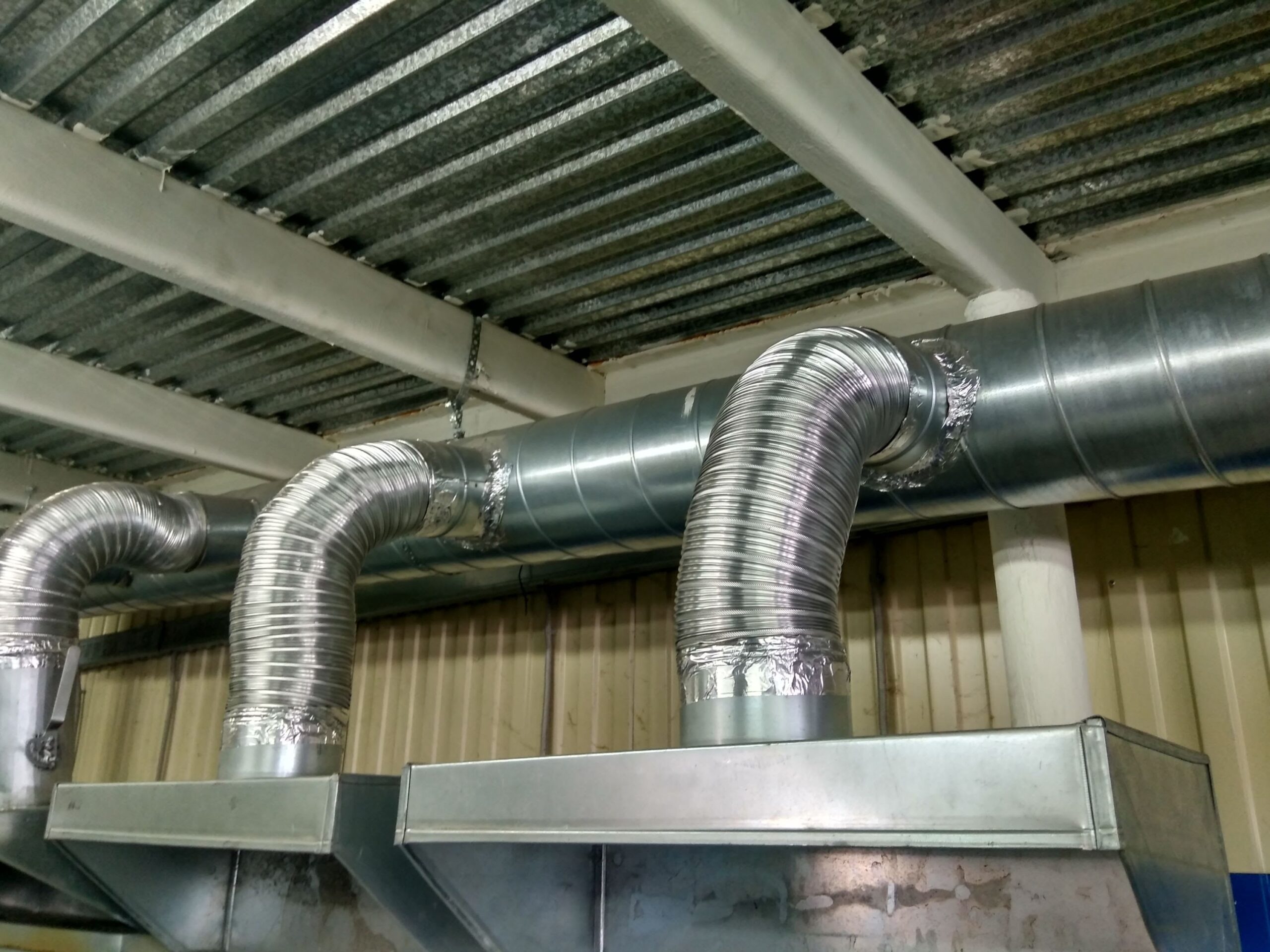
The situation you described involves a significant occupational health risk. When Ethylene Vinyl Acetate (EVA) is heated and injected, the thermal decomposition can release various gases, including ammonia, acetic acid, and VOCs (Volatile Organic Compounds).
1. Is the gas harmful?
Yes. Direct inhalation of these fumes is hazardous. Short-term exposure typically causes irritation of the eyes, nose, and throat, along with dizziness or headaches. Long-term exposure is more serious.
Case Study: Worker (2 years on EVA Injection)
A worker performing this task for two years without proper protection may develop:
- Occupational Asthma: Chronic coughing, wheezing, and shortness of breath due to sensitized airways.
- Chronic Bronchitis: Constant inflammation of the bronchial tubes.
- Dermatitis: Skin rashes from contact with chemical residues on the dies.
- Neurological symptoms: Prolonged exposure to certain VOCs can lead to “solvent syndrome,” characterized by memory issues and chronic fatigue.
2. Precautions Workers Must Take
Workers should not rely on “working fast” to avoid the gas. The following are mandatory:
- Respiratory Protection: Using a respirator with an organic vapor cartridge (N95 masks are insufficient for chemical gases).
- PPE: Heat-resistant gloves and safety goggles to prevent chemical splashes or steam burns when cleaning dies.
- Positioning: Standing “upwind” of the fumes and ensuring they do not lean directly over the open die.
3. The Myth of “Food to Remove Toxins”
Crucial Correction: There is no food or drink (such as milk or specific supplements) that can “cleanse” or “remove” toxic gases from the lungs once they are inhaled.
- The idea that milk “neutralizes” toxins is a common industrial myth.
- While a healthy diet supports the liver and immune system, it cannot prevent the physical damage caused by inhaling chemical fumes. Prevention through ventilation is the only solution.
4. The Role of the HR Department
HR’s role is to transition from “personnel management” to Safety Leadership. They should implement the following:
Engineering & Administrative Improvements
- Local Exhaust Ventilation (LEV): HR must work with the engineering team to install “hood” vents directly above the EVA injection machines to suck the gases away before they reach the worker’s face.
- Rotation Policy: HR should implement a strict rotation. A worker should not spend their entire 8-hour shift at the injection point.
- Time Allotment: At an EVA station, workers should have a 15-minute “clean air break” every 2 hours away from the machinery to reduce cumulative exposure.
Training and Awareness
- MSDS Education: HR must provide the Material Safety Data Sheet (MSDS) for the EVA granules in the local language so workers understand the specific chemicals they are using.
- Health Surveillance: HR should provide mandatory lung function tests (Spirometry) every 6 months for these specific workers to catch early signs of respiratory decli
Training Program Outline (EVA Safety)
Module 1: Understanding EVA Chemistry (4 Hours)
- Chemical breakdown of Ethylene Vinyl Acetate.
- What happens at high temperatures? The “Smoke” vs. “Gas” distinction.
Module 2: Hazard Recognition (4 Hours)
- Identifying the smell of acetic acid.
- Recognizing early symptoms of respiratory distress.
Module 3: Proper PPE Usage (2 Hours)
- How to perform a “fit test” on a respirator.
- Cleaning and storing safety gear.
Module 4: Emergency Response (2 Hours)
- First aid for chemical inhalation.
- Eye-wash station training.
Total Training Time: HR should mandate at least 12 to 16 hours of initial safety training for new hires at the EVA station, with monthly 30-minute “Toolbox Talks” to reinforce safety habits.

Summary Table for HR Action
| Action Category | Specific Task |
|---|---|
| Engineering | Install high-suction hoods at the die-opening point. |
| Administrative | Limit “active injection time” to max 4–6 hours per shift via rotation. |
| Medical | Bi-annual respiratory check-ups paid for by the company. |
| Protective | Provide and enforce the use of activated carbon respirators. |
The Human Resources (HR) department serves as the vital bridge between industrial safety regulations and the actual behavior of the workforce. When dealing with specialized chemical processes like Ethylene Vinyl Acetate (EVA) manufacturing or processing, HR’s role shifts from administrative oversight to a proactive life-safety function.
The following is an exhaustive breakdown of the training modules designed to mitigate risks associated with EVA exposure.
Module 1: Understanding EVA Chemistry (4 Hours)
Objective: To provide workers with a foundational understanding of the materials they handle, moving beyond “caution labels” to scientific comprehension.
1.1 Chemical Composition of Ethylene Vinyl Acetate
EVA is a copolymer consisting of ethylene and vinyl acetate. While stable at room temperature, its safety profile changes drastically during thermal processing (extrusion, foaming, or injection molding).
- Ethylene (C_2H_4): Provides flexibility and impact resistance.
- Vinyl Acetate (CH_3CO_2CH=CH_2): Provides the “rubbery” texture and clarity.
1.2 Thermal Degradation: The Critical Threshold
Hazard awareness begins with understanding the temperature at which EVA becomes volatile. When EVA is heated above 200°C (392°F), the chemical bonds begin to break down in a process called thermal decomposition.
1.3 The “Smoke” vs. “Gas” Distinction
HR must clarify a common misconception: if you can’t see it, it isn’t there.
- Visible Smoke: This is composed of particulate matter—tiny solid or liquid droplets suspended in the air. While irritating to the eyes and throat, it is often the “warning sign.”
- Invisible Gas: As EVA degrades, it releases Acetic Acid vapor. This is a colorless gas. A worker might stop coughing because the “smoke” cleared, but they may still be inhaling concentrated acid vapors that cause internal chemical burns.
Module 2: Hazard Recognition (4 Hours)
Objective: To train the senses to detect danger before it becomes an emergency.
2.1 Identifying the Scent of Danger
The primary byproduct of EVA overheating is Acetic Acid.
- The Smell: It has a sharp, pungent, vinegar-like odor.
- Olfactory Fatigue: HR must warn workers that after 15–20 minutes of exposure, the brain “tunes out” the smell. Just because you can no longer smell the vinegar doesn’t mean the hazard has dissipated; it means your senses are compromised.
2.2 Recognizing Early Symptoms of Respiratory Distress
Physical symptoms often manifest in stages. Training must emphasize reporting these immediately:
- Stage 1 (Sensory): Itching or burning eyes, runny nose, and a “scratchy” throat.
- Stage 2 (Reflexive): Persistent dry coughing or a tight feeling in the chest.
- Stage 3 (Acute): Shortness of breath (dyspnea), wheezing, or dizziness.
Module 3: Proper PPE Usage (2 Hours)
Objective: Mastery of the “Last Line of Defense.”
3.1 The Respirator “Fit Test”
PPE is useless if it leaks. HR ensures all workers undergo an annual Fit Test.
- Positive Pressure Check: Cover the exhalation valve and breathe out gently. The facepiece should bulge slightly without air leaking out.
- Negative Pressure Check: Cover the intake filters and inhale. The mask should collapse slightly toward the face. If air enters from the edges, the seal is broken (often due to facial hair or incorrect strap tension).
3.2 Cleaning and Storage
Chemical vapors can “off-gas” onto the equipment itself.
- Cleaning: Use mild soap and warm water. Avoid alcohol-based wipes on silicone seals as they can cause cracking.
- Storage: Respirators must be stored in sealed bags away from the production floor. If left out, the charcoal filters will continue to “clean” the room air, saturating the filter and rendering it useless for the next shift.
Module 4: Emergency Response (2 Hours)
Objective: Rapid, calm action during a breach of safety.
4.1 First Aid for Chemical Inhalation
If a worker is overcome by vapors:
- Extraction: Move the victim to fresh air immediately. Do not become a second victim—ensure you are wearing PPE before entering a “hot zone.”
- Positioning: Keep the victim upright to assist lung expansion.
- Oxygen: Administer medical oxygen if trained and available.
4.2 Eye-Wash Station Training
Acetic acid is highly corrosive to ocular tissue.
- The 15-Minute Rule: If eyes are exposed, they must be flushed for a full 15 minutes without interruption.
- Direction of Flow: Flush from the inner corner of the eye (near the nose) toward the outer ear to prevent washing the chemical into the unaffected eye.
The HR Strategic Mandate
Beyond these modules, HR’s ongoing role involves:
- Safety Data Sheet (SDS) Accessibility: Ensuring the SDS for every grade of EVA is available in the local language of the workforce.
- Near-Miss Reporting: Cultivating a “no-blame” culture where workers report a “vinegar smell” without fear of being penalized for slowing down production.

2 Comments
I think other web-site proprietors should take this site as an model, very clean and wonderful user friendly style and design, as well as the content. You are an expert in this topic!
This design is spectacular! You certainly know how to keep a reader entertained. Between your wit and your videos, I was almost moved to start my own blog (well, almost…HaHa!) Wonderful job. I really enjoyed what you had to say, and more than that, how you presented it. Too cool!