

Curious when is the next total solar eclipse? and give you all the juicy details you need to catch this cosmic event! Whether you’re a seasoned eclipse chaser or someone who’s never experienced totality before, this guide will help you prepare for the most breathtaking celestial phenomenon on Earth. Let’s dive into the darkness and discover the magic!
Total solar eclipses are rare, thrilling, and absolutely life changing. Imagine standing under the midday sky as the Moon slowly slides in front of the Sun, plunging your world into an eerie twilight. Stars pop out in the middle of the day, animals get confused, and the temperature drops. Then boom! The Sun’s corona bursts into view like a celestial crown of fire. It’s pure magic, and trust us, photos and videos don’t do it justice!
Planning ahead for these cosmic encounters is super important because they don’t happen in the same place very often. Some lucky locations might see a total solar eclipse every few hundred years, while others wait even longer. That’s why eclipse chasers travel around the globe chasing these moments of totality. The good news? You don’t need to be a millionaire or astronomy expert to experience this wonder. You just need to know where and when to show up!
When Is the Next Total Solar Eclipse? The Next Major Total Solar Eclipse Events
So when is the next total solar eclipse that you can actually see? Mark your calendars for August 12, 2026! This incredible event will sweep across the Arctic, Greenland, Iceland, and Spain. If you’re planning a European adventure or love chilly northern destinations, this eclipse is calling your name. The path of totality will offer viewers up to 2 minutes and 18 seconds of complete darkness in some locations.
But wait, there’s more! When is the next total solar eclipse after 2026? The answer is August 2, 2027, and this one is absolutely stunning. This eclipse will cross through North Africa, pass over Egypt and Saudi Arabia, and end its journey in Yemen and Somalia. Ancient monuments meeting modern eclipse chasers? Yes please! Imagine watching totality from near the pyramids or other historic sites. Talk about bucket list material!
For those of you in North America wondering when is the next total solar eclipse in the united states, we have fantastic news. March 30, 2033 brings totality back to Alaska! This eclipse will sweep across the Arctic and touch the northern parts of Alaska, giving Americans another chance to experience totality without leaving the country. The path won’t cover as much territory as the famous 2024 eclipse, but it’s still an incredible opportunity.
After that, North American eclipse fans need to wait a bit longer. The next total solar eclipse visible from the continental United States won’t happen until August 23, 2044. That might seem far away, but trust us, it’ll be here before you know it! This eclipse will cross through Montana, North Dakota, and parts of Canada. Start planning your Montana road trip now!
Understanding Total Solar Eclipses
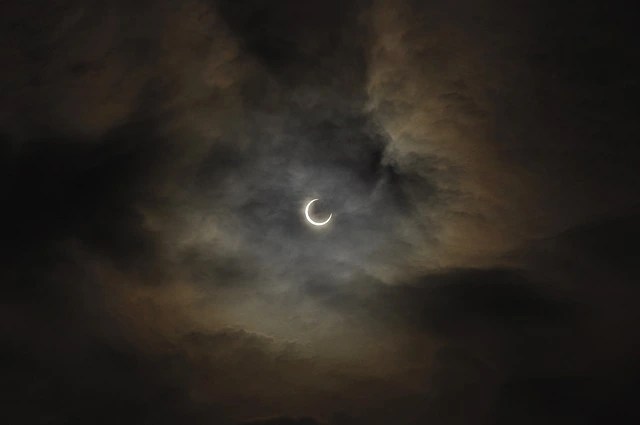
Let’s break down what makes a total solar eclipse so special. When is the next total eclipse of the sun really asking us to understand the cosmic dance between Earth, Moon, and Sun. These three celestial bodies need to align perfectly for totality to happen. The Moon must pass directly between Earth and the Sun while also being close enough to completely cover the Sun’s disk.
The Moon’s orbit around Earth isn’t a perfect circle. It’s slightly elliptical, meaning sometimes the Moon is closer to us and sometimes it’s farther away. When the Moon is close enough during a solar eclipse, it appears large enough to completely block the Sun. That’s when we get total solar eclipses! When the Moon is too far away, we get annular eclipses instead, where a ring of sunlight remains visible.
The path of totality is where all the magic happens! This narrow corridor, usually between 100 to 200 miles wide, is where viewers experience complete darkness during the day. Outside this path, people only see a partial eclipse, which is cool but nowhere near as mind blowing as totality. That’s why eclipse chasers are so picky about their viewing locations!
Totality itself lasts only a few precious minutes. The longest possible duration of totality is about 7 minutes and 30 seconds, but most eclipses offer 2 to 4 minutes. Those brief moments feel both eternal and impossibly short at the same time. Time seems to stop as the Sun’s corona dances around the Moon’s dark silhouette. It’s pure cosmic poetry!
The 2026 Eclipse: Your European Adventure
When is the next total solar eclipse you can start planning for right now? August 12, 2026 is your answer, and this one offers some seriously cool viewing locations. The path of totality begins over the Arctic Ocean, sweeps through Greenland, crosses Iceland, touches the northern tip of Spain, and ends over the Balearic Islands in the Mediterranean Sea.
Iceland stands out as one of the most accessible and tourist friendly locations for this eclipse. The entire country falls within or very near the path of totality. Imagine experiencing this cosmic event surrounded by Iceland’s otherworldly landscapes of volcanoes, glaciers, and geothermal wonders. Hotels will book up fast, so start making reservations soon if this sounds like your dream eclipse experience!
Northern Spain also offers fantastic viewing opportunities with much warmer weather than Iceland or Greenland. Cities like Bilbao and parts of the Basque Country will experience totality. You can combine incredible Spanish culture, food, and wine with one of nature’s greatest shows. What’s not to love about that combination?
The weather factor matters big time for eclipse viewing. Clouds can completely ruin your experience, so choosing locations with historically clear skies during August increases your chances of success. Iceland can be unpredictable, but Spain typically enjoys sunny weather in August. Research historical weather patterns for your chosen location before booking expensive travel!
The 2027 Eclipse: Ancient Wonders Meet Modern Marvel
After 2026 when is the next total solar eclipse? Just one year later on August 2, 2027! This eclipse takes a fascinating path through North Africa and the Middle East. The path of totality includes Morocco, Algeria, Tunisia, Libya, Egypt, Saudi Arabia, Yemen, and Somalia. History buffs and adventure seekers will absolutely love this eclipse route.
Egypt emerges as the star location for this eclipse. The path of totality passes directly over Luxor, home to the Valley of the Kings and some of the world’s most impressive ancient monuments. Picture yourself watching the Sun disappear behind the Moon while standing near temples that have witnessed thousands of years of history. That’s powerful stuff!
The duration of totality for the 2027 eclipse reaches up to 6 minutes and 23 seconds in some locations. That’s incredibly long compared to most total solar eclipses! More time in totality means more opportunity to observe the Sun’s corona, prominences, and other phenomena that only become visible during these brief moments of darkness.
Saudi Arabia also falls within the path of totality, offering another intriguing option for eclipse viewers. The country has been opening up to tourism in recent years, making this eclipse an opportunity to explore a destination that was previously difficult to visit. Just make sure you research visa requirements and travel regulations well in advance!
North American Eclipse Opportunities
American eclipse fans often wonder when is the next total solar eclipse they can catch close to home. The 2033 eclipse touching Alaska gives North Americans another chance, though it’s definitely remote and challenging to reach. The path of totality sweeps across Arctic regions including parts of northern Alaska, making this an adventure for hardy souls willing to brave cold temperatures and logistical challenges.
The real showstopper for the continental United States comes in 2044. This eclipse crosses through Montana and North Dakota, states that offer wide open spaces and generally favorable weather conditions. Small towns along the path will transform into eclipse central, just like we saw in 2017 and 2024. Start scouting locations now and you’ll have the best spots locked down!
After 2044, the United States won’t see another total solar eclipse until 2045, when an eclipse path crosses through California, Nevada, Utah, Colorado, Kansas, Oklahoma, Arkansas, Mississippi, Alabama, and Florida. That’s a much more populated path with tons of viewing options! Florida’s August weather might be iffy with afternoon thunderstorms, but having ocean to desert viewing choices gives eclipse chasers plenty of backup plans.
Planning ahead for these events is absolutely crucial. Hotels within the path of totality book up years in advance for major eclipses. Prices skyrocket as the date approaches, and good viewing locations become nearly impossible to find at the last minute. The people who have the best eclipse experiences are the ones who plan early and have backup locations ready!
How to Prepare for Your Eclipse Experience

Now that you know when is the next total solar eclipse, let’s talk preparation! First and most important: you need proper eclipse glasses or solar filters. Looking directly at the Sun without protection causes permanent eye damage. Regular sunglasses won’t cut it, even really dark ones. Eclipse glasses filter out 99.999% of sunlight and meet the ISO 12312-2 international safety standard.
You only need eclipse glasses during the partial phases before and after totality. During the brief moments of totality when the Moon completely covers the Sun, you can and should remove your eclipse glasses! The Sun’s corona is safe to view with naked eyes and absolutely spectacular. Just make sure to put your glasses back on the instant the Sun starts peeking out from behind the Moon.
Bring weather appropriate clothing and supplies. Eclipse events mean standing outside for 2 to 3 hours minimum, often in locations with limited facilities. Sunscreen, hats, water, snacks, and comfortable shoes are must haves. A folding chair makes the experience way more enjoyable. Trust us, your feet will thank you!
Photography during totality is amazing but can also distract you from experiencing the event with your own eyes. Many eclipse veterans recommend watching your first totality without worrying about cameras. Soak in every second of the experience! If you’ve seen a total solar eclipse before, then feel free to experiment with photography during your next one.
The Science Behind the Shadow
Understanding when is the next total solar eclipse involves grasping some pretty cool science. The Moon’s shadow has two parts: the umbra and the penumbra. The umbra is the darkest central shadow where totality occurs. The penumbra is the lighter outer shadow where only partial eclipses are visible. Only people standing within the umbra experience the full magic of totality.
The Moon’s shadow races across Earth’s surface at roughly 1,000 to 5,000 miles per hour depending on location and the geometry of the eclipse. That’s faster than the speed of sound! You can actually watch the shadow approaching if you’re in a high location with a clear view toward the horizon. It looks like a massive dark wall rushing toward you. Absolutely wild!
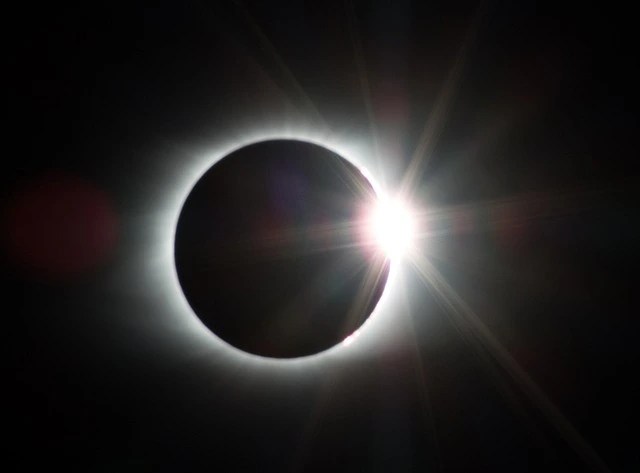
The Sun’s corona only becomes visible during totality because normally the Sun’s bright disk completely overwhelms this faint outer atmosphere. The corona extends millions of miles into space and reaches temperatures over 1 million degrees Fahrenheit. Scientists still don’t fully understand why the corona is so much hotter than the Sun’s surface. Total solar eclipses give researchers precious opportunities to study this mystery!
Bailey’s Beads and the diamond ring effect are stunning phenomena that happen right at the beginning and end of totality. As the Moon’s edge covers the last bits of Sun, sunlight shines through valleys between lunar mountains, creating brilliant points of light. These effects last only seconds but add extra wow factor to an already incredible experience!
Eclipse Chasing Culture and Community
The eclipse chasing community is incredibly welcoming and enthusiastic. When is the next total solar eclipse becomes a rallying cry that brings together people from all walks of life. Veterans who’ve seen dozens of eclipses happily share advice with first timers. The camaraderie during eclipse events creates instant friendships and unforgettable memories.
Social media has revolutionized eclipse chasing. Facebook groups, Instagram accounts, and YouTube channels dedicated to eclipse education and planning have exploded in popularity. These resources provide real time weather updates, location recommendations, and live streams for people who can’t travel to the path of totality. The 2024 eclipse showed how connected the global eclipse community has become!
Eclipse festivals and organized tours make experiencing totality easier than ever. Companies specialize in eclipse travel, handling all the logistics so you just need to show up and enjoy. These tours often include expert astronomers who explain what’s happening and answer questions. They also scout backup locations in case of bad weather. The peace of mind is worth the extra cost for many people!
Some eclipse chasers have seen 20, 30, or even 50+ total solar eclipses by traveling all over the world. They plan their lives around these cosmic events, taking time off work and spending serious money to stand in the Moon’s shadow for a few precious minutes. Once you experience totality, you’ll understand why people become so obsessed. It truly changes you!
Making the Most of Your Eclipse Day
Excited when is the next total solar eclipse? When the big day arrives and you’re standing in the path of totality, stay calm and present. The partial phases before totality last about an hour. Use this time to test your equipment, chat with fellow eclipse watchers, and watch the changing light quality. The world takes on a strange, surreal appearance as the eclipse progresses.
About 15 minutes before totality, things get really interesting. The temperature drops noticeably. Shadows become super crisp and weird. A 360 degree sunset effect appears on the horizon. Animals start their evening routines. The excitement builds as everyone counts down the final minutes!
When totality hits, take off those eclipse glasses and look up! Shout, cry, laugh, whatever feels right. There’s no wrong way to react to totality. Look for planets and bright stars that become visible in the darkened sky. Venus and Jupiter often steal the show. Scan the horizon for the surreal twilight glow all around you.
Those precious minutes of totality fly by impossibly fast. Try to balance taking photos or video with simply experiencing the moment. Many people regret spending totality glued to their camera screens. Remember, professional photographers will capture stunning images you can enjoy later. Your memories and emotional experience matter most!
[Disclaimer: The content in this RSS feed is automatically fetched from external sources. All trademarks, images, and opinions belong to their respective owners. We are not responsible for the accuracy or reliability of third-party content.]
Source link
